
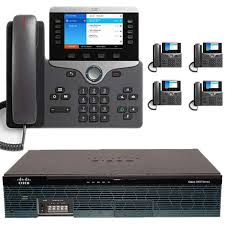
Why Your Business Needs a Cisco Office Phone System in 2026
Communication is the backbone of every successful business. Whether you’re coordinating with remote teams, serving customers, or collaborating across departments, having a reliable phone system isn’t optional—it’s essential. That’s where a Cisco business phone system comes in, offering the kind of enterprise-grade reliability and features that can transform how your organization communicates.
If you’re exploring options for upgrading your office communications, you’ve probably come across Cisco. But what makes their systems stand out? Let’s dive into everything you need to know about Cisco telephone systems and why they might be the perfect fit for your business.
What Exactly Is a Cisco IP Phone System?
At its core, a Cisco IP phone system uses your internet connection to make and receive calls, rather than traditional phone lines. IP stands for Internet Protocol, and this technology—also called VoIP (Voice over Internet Protocol)—converts your voice into digital data that travels over your network.
But here’s where Cisco goes beyond basic VoIP: their systems integrate voice, video, messaging, and collaboration tools into one unified platform. This isn’t just about making phone calls anymore; it’s about creating a complete communication ecosystem for your business.
The Cisco Advantage: Why Businesses Choose Cisco
Reliability You Can Count On
When your phone system goes down, your business grinds to a halt. Cisco has spent decades building networking infrastructure that powers some of the world’s largest organizations. That same engineering excellence goes into every Cisco VoIP system. You’re getting 99.99% uptime reliability, enterprise-grade security, and support that understands business-critical communications.
Scalability That Grows With You
Starting with five employees but planning to hire fifty more? No problem. One of the biggest advantages of a Cisco office phone system is how easily it scales. Add new users, locations, or features without ripping out and replacing your entire infrastructure. Whether you’re a small startup or a multinational corporation, Cisco has solutions that fit your size and budget.
Integration With Your Existing Tools
Your team already uses dozens of applications daily—email, CRM systems, calendars, collaboration platforms. Cisco telephone systems play nicely with these tools. Imagine clicking a contact in your CRM and instantly calling them, or having your calendar automatically set your phone status during meetings. These integrations aren’t just convenient; they genuinely boost productivity.
Key Features That Make Cisco Stand Out
Unified Communications
Cisco unified communications brings everything together. Voice calls, video conferencing, instant messaging, presence information (seeing who’s available), and voicemail all work seamlessly within one system. Your team stops juggling multiple apps and starts communicating more efficiently.
Crystal-Clear Audio Quality
Ever been on a call where you’re constantly asking “Can you repeat that?” Cisco’s HD voice technology delivers remarkable audio clarity. You’ll actually hear the difference, especially on important client calls or detailed technical discussions.
Advanced Call Management
Features like call forwarding, auto-attendant, call queues, voicemail-to-email, call recording, and conference calling come standard. These aren’t add-ons that cost extra—they’re built into the system, giving you enterprise capabilities from day one.
Mobile and Remote Work Support
With the Cisco Webex app, your office phone goes wherever you do. Answer calls on your smartphone, laptop, or tablet using your business number. For remote and hybrid teams, this flexibility is game-changing. Your employees stay connected whether they’re working from home, traveling, or in the office.
Security Built In
Cyber threats are real, and phone systems are increasingly targeted. Cisco builds security into every layer—encrypted calls, secure signaling, authentication protocols, and regular security updates. Your conversations stay private, and your system stays protected.
Choosing Between Cloud and On-Premises
When considering a Cisco business phone system, you’ll need to decide between two deployment options:
Cloud-Based (Cisco Webex Calling)
The cloud option means Cisco hosts and manages the system for you. You pay a monthly subscription per user, and they handle maintenance, updates, and infrastructure. It’s perfect for businesses that want minimal IT overhead, rapid deployment, and predictable monthly costs. You can literally be up and running within days.
On-Premises (Cisco Unified Communications Manager)
With an on-premises system, the equipment lives in your office or data center. You own the hardware and have complete control over your system. This works well for larger organizations with dedicated IT teams, businesses with specific compliance requirements, or those wanting long-term cost savings after the initial investment.
Hybrid Solutions
Can’t decide? Cisco offers hybrid approaches that blend both worlds, giving you flexibility as your needs evolve.
Real-World Benefits Your Business Will Notice
Better Customer Experience
When customers call, they reach the right person faster. Professional auto-attendants, intelligent call routing, and queue management mean fewer frustrated callers and more successful interactions. Your business sounds polished and professional.
Increased Employee Productivity
Employees waste less time on communication logistics and more time on actual work. Find-me/follow-me features ensure important calls reach them anywhere. Presence information shows who’s available before you call. Voicemail transcripts let you read messages instead of listening to them. These small efficiencies add up quickly.
Cost Savings
While the initial investment varies, most businesses see significant long-term savings. You’ll eliminate or reduce traditional phone line costs, especially for long-distance and international calls. Cloud systems remove hardware maintenance expenses. And because everything runs over your existing network, you’re consolidating infrastructure costs.
Future-Proof Technology
Technology moves fast, but Cisco keeps pace. Regular updates add new features and capabilities. As communication needs evolve—think AI-powered assistants, advanced analytics, or new collaboration tools—your Cisco system evolves with them.
Is a Cisco Telephone System Right for Your Business?
A Cisco IP phone system makes particular sense if:
- You need rock-solid reliability for business-critical communications
- You’re planning to grow and need a system that scales easily
- You have remote or mobile workers who need flexibility
- You want to integrate phone, video, and messaging into one platform
- You value security and compliance
- You’re looking for enterprise features without enterprise complexity
Cisco isn’t always the cheapest option upfront, but when you factor in reliability, features, scalability, and long-term costs, it’s often the smartest investment.
Getting Started
Ready to explore a Cisco VoIP system for your business? Here’s what to do next:
Assess Your Needs: How many users do you have? What features matter most? Do you need video conferencing? Call center capabilities? Mobile support? Understanding your requirements helps you choose the right solution.
Consider Your Budget: Look at both upfront costs and ongoing expenses. Remember that cloud systems typically have lower initial costs but ongoing subscriptions, while on-premises systems require larger upfront investment but lower monthly costs.
Talk to Cisco Partners: Authorized Cisco partners can evaluate your needs, recommend appropriate solutions, provide accurate quotes, and handle installation and training. They’re invaluable resources who know the products inside and out.
Plan for Training: Even the best system is useless if your team doesn’t know how to use it. Factor in training time to ensure everyone can leverage the features you’re paying for.
The Bottom Line
A Cisco office phone system represents more than just a way to make phone calls—it’s a comprehensive communication platform that can genuinely transform how your business operates. The combination of reliability, features, scalability, and integration capabilities makes Cisco a top choice for businesses of all sizes.
Whether you’re upgrading an outdated system, opening a new location, or simply looking for better communication tools, Cisco unified communications deserves serious consideration. The technology is proven, the features are robust, and the support ecosystem is mature.
Your business communication is too important to leave to chance. With Cisco, you’re choosing a partner that’s been at the forefront of business communications for decades—and shows no signs of slowing down.
Ready to take your business communications to the next level? It might be time to explore what a Cisco telephone system can do for you.