Biometric Attendance System Price in Kenya: What Actually Drives the Cost
Kenyan employers keep asking the same question. What does a biometric attendance system actually cost? The honest answer depends on several things: device count, verification method, and whether you need standalone hardware or a networked, cloud-connected setup. This guide breaks down real 2026 price ranges in the Kenyan market. It also explains what pushes the figure up or down, so you can budget accurately before you contact a supplier.
Typical Price Ranges in Kenya
Entry-level (from KSh 9,000). Basic standalone fingerprint units sit at the lower end of the market. The ZK Teco X7 Standalone Fingerprint Access Control Terminal is a typical example. These devices suit small offices with one entry point and a modest headcount, usually under 500 enrolled users.
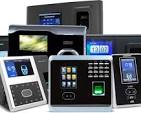
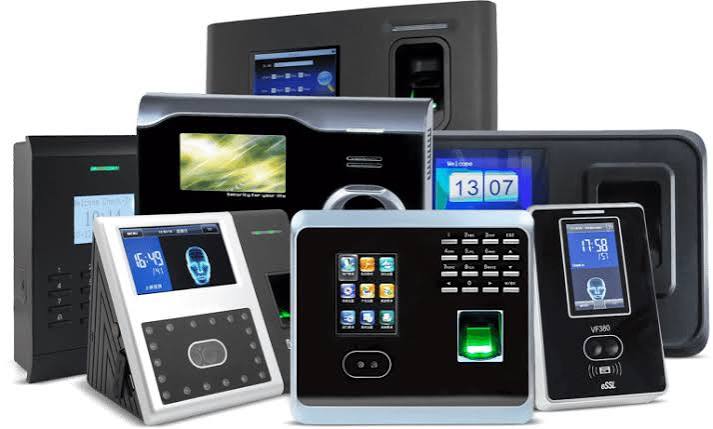
Mid-range (KSh 15,000–35,000). These terminals combine fingerprint and face verification. They also carry larger user and log capacities. This tier covers most SME needs, including RFID card support, TCP/IP connectivity, and payroll integration. Two options illustrate the range: the ZKTeco F18 Biometric Fingerprint Access Control and its updated ZKTeco F18 Pro sit at the lower end. The ZKteco F22 adds capacity for offices with heavier daily traffic.
Enterprise-grade (KSh 50,000–200,000+). This tier covers multi-door installations, centralized controllers, and facial recognition units with anti-spoofing and higher throughput. Per-terminal pricing starts around KSh 50,000. Full centralized platforms covering several branches or hundreds of doors can reach KSh 200,000. The ZKTeco Horus E1 and the faster ZKTeco Horus E2 Android Biometric Terminal fall in this tier. So does the ZKteco iClock 680, built for higher-volume checkpoints.
Full installation (KSh 45,000–70,000 per door). This figure applies if you’re budgeting for a complete single-door access-and-attendance setup, not just the reader. It covers the biometric reader, an electric or magnetic lock, a power supply with battery backup, an exit button, emergency release, cabling, and labor. Each additional door typically adds KSh 25,000 to KSh 40,000. Cabling and labor scale with distance from the main panel.
What Drives the Price Up or Down
Verification method. Fingerprint-only readers cost less. Units that add facial recognition or card compatibility cost more. Multi-modal devices — fingerprint, face, RFID, and password in one terminal — command a premium. They carry more sensors and a more capable processor.
User and log capacity. A terminal storing 1,000 fingerprint templates and 30,000 transaction logs costs less than one rated for 3,000 templates and 100,000 logs. Schools, factories, and large offices need the higher-capacity tier. Otherwise, the database overflows during peak enrollment periods.
Connectivity options. Devices with WiFi, TCP/IP, and USB together cost more than USB-only models. The added connectivity often pays for itself, though. Remote data retrieval removes the need for someone to walk to each terminal and manually pull logs. For sites with several entry points, a controller such as the ZKTeco C3-400 4-Door IP-Based Control Panel or the ZKTeco inbio-460 Pro 4 Door Access Control Panel centralizes management instead of running each door as a standalone unit.
Brand and warranty. ZKTeco remains the most widely available brand in Kenya. Strong local stock and a wide model range keep entry prices competitive. Suprema devices target higher-security deployments instead — fingerprint sensors with false acceptance rates as low as 0.0001%, facial recognition running at roughly 99.7% accuracy. That precision comes at a higher unit cost. It suits environments like data centers or pharmaceutical stores, where authentication errors carry real consequences.
Installation complexity. A desktop-mounted terminal near a power socket costs far less to install than an outdoor unit. Outdoor installs need weatherproofing, conduit runs, and a dedicated power supply. Distance from Nairobi affects labor costs too, since technicians factor in travel time for sites outside the metro area.
Software and integration. A standalone terminal with onboard software costs less upfront. A networked system tied into payroll platforms costs more, since integration adds setup time and, occasionally, a software licensing fee. In exchange, it eliminates manual data entry for Kenyan HR teams.
Why Kenyan Businesses Choose Biometric Over Manual or Card-Based Systems
Manual sign-in sheets and card-swipe systems share the same weakness: they rely on trust. An employee can sign in for a colleague who hasn’t arrived yet. A swipe card can be lent out just as easily. Biometric verification closes that gap. Every clock-in ties to a physical trait that can’t be transferred.
This matters most for organizations with shift workers, where payroll leakage from “buddy punching” adds up quickly. As a result, many Kenyan businesses find that a biometric system pays for itself within the first year. Reduced payroll errors and lower HR admin time cover the cost, even before counting the security benefit of tighter access control.
Who Each Price Tier Suits Best
- Small offices (under 20 staff, single entry point): An entry-level terminal such as the ZK Teco X7 covers the need. Low user counts mean basic hardware rarely hits its storage limit.
- SMEs and mid-sized offices (20–150 staff, one or two doors): A mid-range fingerprint-and-face terminal like the ZKTeco F18 Pro makes more sense. Higher enrollment counts and payroll integration justify the added capacity and connectivity.
- Schools and institutions (large, cyclical enrollment): Devices with high template and log capacity, such as the ZKteco iClock 680, are worth the premium. Enrollment spikes at the start of each term would otherwise overwhelm a basic terminal’s storage.
- Factories, warehouses, and multi-shift operations: Outdoor-rated or high-throughput terminals, such as the ZKTeco Horus H1 Portable Biometric Time and Attendance, earn their cost through faster matching during shift-change rushes, when dozens of workers clock in within minutes.
- Data centers, pharmacies, and high-security facilities: Suprema-grade devices carry very low false acceptance rates. That’s worth the higher unit price, since a false match here costs far more than the price difference between tiers.
- Multi-branch enterprises: Centralized controller platforms, such as the ZKTeco inbio-460 Pro, cost more upfront. They reduce long-term management overhead by consolidating attendance data from several locations into one dashboard.
Hidden Costs to Budget For
The sticker price of the terminal is rarely the full cost. Budget for these extras too:
- Power backup. Kenya still experiences KPLC outages, so a UPS or battery module belongs in the budget.
- Cabling and conduit. Costs vary by building layout. Older buildings sometimes need extra trunking.
- VAT. It applies on top of most listed prices. Always confirm whether a quote is VAT-inclusive before comparing suppliers.
- Ongoing support. Firmware updates, RMA handling, and preventive maintenance are worth negotiating into the purchase. This matters most for multi-door or multi-branch deployments, where downtime affects several teams at once.
Getting an Accurate Quote
Door count, verification method, and integration needs vary widely between businesses. Published price lists only tell part of the story. The most reliable way to budget is a site assessment. A technician reviews your entry points, existing wiring, and headcount, then recommends the right terminal tier instead of a one-size-fits-all model. This also surfaces installation costs early, before they become surprises on the final invoice.
Final Thought
Biometric attendance pricing in Kenya spans a wide range. Basic single-door fingerprint terminals start under KSh 10,000. Centralized, multi-branch platforms can run well over KSh 100,000. Rather than anchoring on the lowest advertised price, match the terminal’s capacity, connectivity, and verification method to your actual headcount and security requirements. That approach keeps the system from being either underpowered for your needs or an unnecessary overspend on features you won’t use.