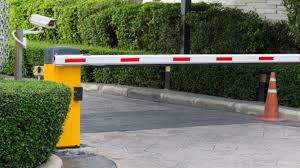
Automatic Boom Barrier Installation and Maintenance: Your Complete Guide to Efficient Access Control
In today’s security-conscious world, controlling vehicular access to your property has become more critical than ever. Whether you manage a commercial complex, residential estate, parking facility, or industrial site, automatic boom barriers provide an efficient, reliable, and professional solution for managing vehicle entry and exit. This comprehensive guide explores everything you need to know about automatic boom barrier installation and maintenance, ensuring your access control system delivers optimal performance for years to come.
Understanding Automatic Boom Barriers
An automatic boom barrier, also known as a boom gate or vehicle barrier, is an automated access control device consisting of a motorized arm that pivots to allow or restrict vehicle passage. Modern boom barriers have evolved from simple manual gates into sophisticated systems featuring advanced electronics, safety mechanisms, and integration capabilities with broader security ecosystems.
The fundamental principle remains straightforward: when authorized, the barrier arm rises to allow vehicle passage, then automatically lowers after a preset time or upon detecting the vehicle has cleared the area. However, today’s systems like the Centurion Sector II 3M High Volume Barrier incorporate intelligent features including variable speed control, obstacle detection, battery backup, and connectivity with access control platforms, transforming basic traffic management into a comprehensive security solution.
Types of Automatic Boom Barriers
Understanding the different boom barrier types helps you select the most appropriate solution for your specific application and traffic volume requirements.
Standard Duty Barriers: These systems handle typical residential and light commercial traffic, accommodating approximately 500-800 operations daily. They feature arm lengths ranging from 2 to 4 meters, suitable for single-lane access points at apartment complexes, small office buildings, and gated communities.
Heavy Duty Barriers: Designed for medium to high traffic environments, heavy-duty barriers manage 1000-2000 daily operations. These robust systems feature reinforced mechanisms, powerful motors, and enhanced durability, making them ideal for shopping centers, parking garages, and corporate campuses experiencing consistent vehicular traffic throughout operating hours.
High Volume Barriers: Purpose-built for demanding applications, high-volume barriers like the Centurion Sector II handle up to 3000 operations daily with opening times under 1.2 seconds. These premium systems incorporate industrial-grade components, advanced cooling systems, and sophisticated electronics, perfectly suited for toll plazas, busy commercial centers, and high-security facilities requiring rapid throughput without compromising reliability.
Bi-directional Barriers: Some installations require traffic management in both directions. Bi-directional systems feature two synchronized boom arms operating in tandem, ensuring controlled access for both entry and exit lanes while maintaining security integrity.
Key Components of Boom Barrier Systems
Professional automatic boom barrier installation requires understanding the system’s various components and their interconnections. Each element plays a crucial role in ensuring reliable, safe, and efficient operation.
Motor and Drive System: The heart of any boom barrier, the motor provides the power to raise and lower the arm. Modern systems utilize DC motors with integrated encoders providing precise position control, smooth acceleration and deceleration profiles, and variable speed operation adapting to traffic conditions and safety requirements.
Control Board: Sophisticated electronic control boards manage all barrier functions including motor control, safety sensor monitoring, access control integration, and diagnostic capabilities. Advanced controllers feature programmable parameters allowing customization of opening speed, closing delay, and operational modes tailored to specific site requirements.
Boom Arm: The visible component of the system, boom arms come in various lengths (typically 2-6 meters), materials (aluminum, steel, or composite), and designs (straight, telescopic, or articulated). Quality arms feature lightweight construction for reduced motor load combined with sufficient rigidity to resist wind forces and prevent arm droop. The Centurion 3M Boom Barrier Arm offers reliable performance with intelligent control features.
Safety Sensors: Modern barriers incorporate multiple safety systems including photocells detecting vehicles or pedestrians in the barrier path, loop detectors embedded in the roadway sensing vehicle presence, and pressure-sensitive edges on the boom arm preventing injury if contact occurs during operation.
Battery Backup: Power outages shouldn’t compromise security. Quality boom barriers include integrated battery backup systems maintaining operation during electrical failures, ensuring continuous access control and preventing vehicles from being trapped at entry or exit points.
Housing and Foundation: Weather-resistant housings protect sensitive electronics from environmental conditions, while properly engineered foundations ensure stability under operational forces and external conditions like strong winds or attempted forced entry.
Professional Automatic Boom Barrier Installation Process
Successful boom barrier installation requires careful planning, proper execution, and attention to detail. Professional installation ensures optimal performance, longevity, and compliance with safety standards.
Site Assessment and Planning: Before installation begins, experienced technicians conduct comprehensive site surveys evaluating traffic patterns, vehicle types, available space, power supply accessibility, and integration requirements with existing security systems. This assessment determines optimal barrier placement, arm length requirements, and necessary accessories like remote controls, card readers, or intercom systems.
Foundation Preparation: Boom barriers require solid, level foundations capable of supporting operational forces and environmental loads. Professional installers excavate to specified depths (typically 600-800mm), construct reinforced concrete foundations using appropriate steel reinforcement, install conduits for power and control cables, and ensure proper drainage preventing water accumulation around electronic components.
Mechanical Installation: Once foundations cure, mechanical installation proceeds with precise positioning of the barrier housing, secure anchoring using heavy-duty bolts specified by manufacturers, careful alignment ensuring vertical and horizontal accuracy for smooth arm operation, and installation of the boom arm with proper balance and clearance adjustments.
Electrical and Control Wiring: Professional electrical installation includes proper power supply connections with adequate circuit protection, installation of control cables following best practices for signal integrity, connection of safety sensors with correct polarity and alignment, and integration with automatic gate systems or access control platforms as required.
System Configuration and Programming: Modern barriers offer extensive programmable parameters. Professional installers configure opening and closing speeds optimized for traffic flow and safety, set timing delays appropriate for vehicle clearance, program safety sensor behaviors and sensitivity levels, integrate with access control systems including card readers and remote controls, and establish backup battery parameters ensuring reliable failover operation.
Testing and Commissioning: Thorough testing verifies all system functions before handover, including multiple opening and closing cycles under various conditions, safety sensor functionality with deliberate obstruction tests, battery backup operation and charging verification, integration testing with access control components, and emergency manual operation procedures.
Boom Barrier Maintenance Best Practices
While modern automatic boom barriers like those from Centurion are engineered for reliability, regular maintenance ensures continued optimal performance and extends system lifespan significantly.
Daily Visual Inspections: Security personnel or facility managers should conduct quick daily checks observing smooth barrier operation without unusual noises or hesitations, checking for physical damage to the boom arm or housing, verifying safety sensor operation through indicator lights, and ensuring the area remains clear of debris or obstacles that might interfere with operation.
Weekly Maintenance Tasks: Dedicate time each week for more detailed attention including cleaning photocells and sensors with soft cloths ensuring accurate detection, checking boom arm alignment and tightening mounting hardware if needed, verifying remote control functionality and replacing batteries as necessary, and inspecting visible wiring for damage or deterioration.
Monthly Service Requirements: Comprehensive monthly maintenance includes lubricating moving parts using manufacturer-specified lubricants, inspecting and cleaning motor cooling vents preventing overheating, testing battery backup functionality and checking charge levels, examining foundation and mounting bolts for looseness or corrosion, and reviewing system logs if available identifying potential issues through error patterns.
Quarterly Professional Service: Even with diligent routine maintenance, quarterly professional service provides value through thorough electrical connection inspection and re-tightening, comprehensive safety system testing with calibration if needed, detailed inspection of mechanical components including gears and drive mechanisms, software updates and parameter optimization based on usage patterns, and detailed reporting documenting system condition and recommending preventive actions.
Annual Comprehensive Inspection: Schedule annual comprehensive inspections by certified technicians including complete system evaluation with performance measurements, replacement of wear components before failure occurs, thorough testing of all safety and backup systems, verification of compliance with safety standards and regulations, and updating system documentation including operation manuals and maintenance records.
Common Issues and Troubleshooting
Understanding common boom barrier problems and their solutions helps minimize downtime and maintenance costs.
Slow or Inconsistent Operation: If your barrier operates sluggishly or inconsistently, potential causes include low battery voltage affecting motor power, mechanical binding from lack of lubrication or debris accumulation, or motor wear requiring replacement. Regular maintenance prevents most of these issues.
Safety Sensor Malfunctions: When barriers close unexpectedly or fail to detect vehicles, investigate dirty or misaligned photocells, damaged sensor wiring or connections, or environmental factors like direct sunlight or heavy rain affecting sensor performance. Regular cleaning and proper sensor positioning during installation prevent most problems.
Arm Damage: Physical damage to boom arms typically results from vehicle collisions, wind damage in exposed locations, or material fatigue. Quality replacement arms like the Centurion boom barrier arm ensure proper fit and continued reliable operation.
Power Supply Issues: Electrical problems manifest as intermittent operation or complete failure. Check circuit breaker status, verify voltage at the barrier control board, inspect wiring for damage or loose connections, and test battery backup condition and charging functionality.
Control System Failures: Modern barriers rely on sophisticated electronics occasionally requiring attention. Control board failures may necessitate replacement, programming parameters might require adjustment after power loss, and integration with access control systems may need reconfiguration after updates.
Integrating Boom Barriers with Comprehensive Access Control
Automatic boom barriers deliver maximum value when integrated into comprehensive security systems combining multiple access control technologies.
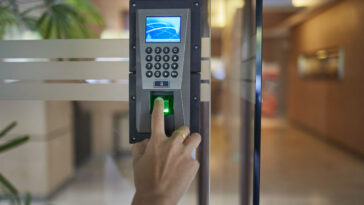
Access Card Systems: RFID or proximity card readers provide authorized vehicle access while maintaining detailed logs of entry and exit times, user identification, and traffic patterns valuable for security analysis and operational planning.
Remote Controls: Quality remote controls like the Centurion 4-button remote offer convenient authorized access while maintaining security through rolling code technology preventing unauthorized duplication.
Intercom Systems: Video intercoms allow security personnel to visually verify visitors before granting access, particularly valuable in residential estates or facilities requiring visitor screening.
License Plate Recognition: Advanced systems incorporate automatic license plate recognition technology enabling touchless entry for authorized vehicles while alerting security to unauthorized access attempts.
Integration with Gate Motors: Facilities often combine boom barriers for main vehicular access with automatic gate motors for secondary entrances, pedestrian access, or internal security zones. Integrated systems like the Centurion D5 Smart Gate Motor provide cohesive access control with centralized management.
Selecting the Right Boom Barrier for Your Application
Choosing the appropriate boom barrier requires evaluating several factors specific to your site and requirements.
Traffic Volume: Accurately estimate daily operations including both entry and exit cycles. Underestimating traffic volume leads to premature wear and frequent failures, while overspecification wastes budget on unnecessary capacity.
Arm Length: Measure the access point width carefully, adding clearance for safe vehicle passage. Standard arms accommodate 3-4 meter spans, while wider entrances require telescopic or folding designs maintaining structural integrity.
Operating Environment: Consider environmental factors including exposure to weather requiring enhanced protection, temperature extremes affecting electronics and mechanics, coastal locations with corrosive salt air necessitating special materials, and wind exposure requiring reinforced arms and powerful motors.
Security Level Required: High-security facilities may require barriers with reinforced arms resisting forced entry, integration with comprehensive access control systems, redundant safety systems, and features like anti-tailgating detection preventing unauthorized vehicles following authorized access.
Budget Considerations: While initial cost matters, evaluate total cost of ownership including installation expenses, expected maintenance requirements, projected lifespan with proper care, and potential expansion or integration costs. Quality systems from established manufacturers like Centurion typically offer better long-term value through reliability and lower maintenance requirements.
Future-Proofing Your Access Control Investment
Technology continues advancing, making access control systems increasingly sophisticated and capable. When planning boom barrier installation, consider future expansion possibilities.
Scalability: Select systems supporting additional barriers without requiring complete replacement of control infrastructure. Networked systems allow centralized management of multiple access points from a single platform.
Integration Capabilities: Choose barriers supporting standard communication protocols enabling integration with various access control platforms, security systems, and building management systems as your needs evolve.
Smart Technology: Modern barriers increasingly incorporate smart features including cloud connectivity for remote monitoring and management, mobile app control for convenient authorized access, artificial intelligence for predictive maintenance alerting administrators before failures occur, and analytics providing insights into traffic patterns and system utilization.
Making the Investment Decision
Automatic boom barrier installation represents a significant investment in security, operational efficiency, and professional image. The benefits extend far beyond simple vehicle control.
Enhanced security comes from controlled access preventing unauthorized entry, detailed activity logging for security auditing and incident investigation, and integration with comprehensive security systems creating layered protection. Operational efficiency improves through automated traffic management reducing personnel requirements, faster vehicle processing improving traffic flow, and professional image projection enhancing property value and user satisfaction.
Long-term cost savings result from reduced security personnel requirements through automation, prevention of unauthorized parking or access reducing loss and liability, and property value enhancement through professional access control infrastructure.
Taking the Next Step
Whether you’re installing a boom barrier for the first time or upgrading existing systems, working with experienced professionals ensures optimal results. Quality equipment from trusted manufacturers like Centurion, combined with proper installation and regular maintenance, delivers reliable access control for decades.
Start by assessing your specific requirements considering traffic volume, security needs, integration requirements, and budget constraints. Consult with experienced suppliers offering comprehensive solutions including equipment, professional installation, and ongoing support. Explore the range of automatic gate systems and boom barriers available to find the perfect match for your application.
Remember that your access control system serves as the first point of interaction between your facility and users. Investing in quality equipment and professional installation creates positive impressions while providing security peace of mind. The question isn’t whether you can afford a quality boom barrier system—it’s whether you can afford the consequences of inadequate access control.
Looking for professional automatic boom barrier installation? Explore Shoptechy’s comprehensive range of automatic gates and boom barriers including the industry-leading Centurion Sector II systems, complete accessories, and expert installation services.