

Time Attendance and Clocking Systems in Kenya: Complete Installation and Implementation Guide
Manual timekeeping creates significant operational challenges for Kenyan organizations. Employees signing attendance registers on behalf of absent colleagues, supervisors spending hours reconciling contradictory timesheet data, and payroll administrators calculating wages from incomplete records waste resources that businesses cannot afford. Time attendance and clocking systems eliminate these inefficiencies through automated employee tracking that integrates directly with payroll software.
Understanding Time Attendance Systems
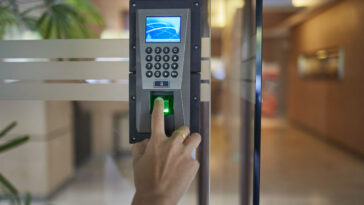
A time attendance system captures employee clock-in and clock-out events using biometric verification or RFID card authentication. When an employee arrives at work, they place their finger on a biometric scanner or tap their RFID card against a reader. The terminal records the exact timestamp along with the employee’s identification, storing this data in its internal memory. At day’s end, employees repeat the process to log their departure time.
The system compiles these individual clock events into comprehensive attendance records showing total hours worked, overtime, late arrivals, and early departures for each employee. This data exports directly to payroll software, eliminating the manual timesheet entry that consumes administrative time and introduces calculation errors. Organizations typically reduce payroll processing time by 60-70% while improving accuracy compared to manual methods.
Modern time attendance terminals connect to organizational networks through TCP/IP Ethernet connections, enabling real-time data synchronization across multiple locations. Administrators monitor attendance from centralized management software rather than collecting paper timesheets from individual departments or branch offices. This connectivity proves essential for organizations operating across multiple sites in Nairobi, Mombasa, Kisumu, and other Kenyan cities.
Biometric Fingerprint Time Attendance Technology
Fingerprint biometric systems verify employee identity by scanning the unique ridge patterns on their fingertips. During enrollment, employees place their finger on the optical sensor multiple times while the system captures high-resolution images. The terminal’s software analyzes these images, extracting distinctive features called minutiae points where fingerprint ridges end or split. These minutiae points convert into a mathematical template approximately 500-1000 bytes in size that represents the fingerprint digitally.
When an employee clocks in, the scanner captures their fingerprint and generates a new template. The system compares this live template against all enrolled templates stored in its database, searching for a match. Advanced fingerprint algorithms complete this comparison within one second even when searching through databases containing thousands of users. When the system identifies a matching template above its configured threshold (typically 85-95% similarity), it records the clock event and displays confirmation on the screen.
The ZKTeco K40 time attendance terminal illustrates typical biometric system capabilities for Kenyan organizations. This device accommodates 1,000 fingerprint templates and stores 80,000 transaction records, providing sufficient capacity for medium-sized organizations tracking approximately 500 employees over several weeks. The terminal features a 2.8-inch TFT screen displaying employee names, clock times, and system status messages. Built-in battery backup ensures continuous operation during power outages, a critical feature given Kenya’s inconsistent electrical infrastructure.
Higher-capacity systems like the ZKTeco iClock 680 support larger organizations with their 3,000 fingerprint template capacity and 100,000 transaction record storage. These terminals incorporate 3.5-inch color displays and include integrated cameras that capture employee photos during each clock event. This photographic verification provides visual confirmation that the authorized employee actually clocked in, adding accountability beyond fingerprint matching alone. The iClock 680’s faster processor reduces fingerprint matching time to under 0.5 seconds, maintaining efficient traffic flow during shift changes when hundreds of employees clock in simultaneously.
RFID Card-Based Time Attendance Systems
RFID proximity cards offer an alternative to biometric verification for organizations preferring card-based authentication. Employees receive durable plastic cards embedded with radio frequency identification chips. When an employee holds their card within 5-10 centimeters of the terminal’s reader, electromagnetic coupling between the reader and card powers the passive chip, which transmits its unique identifier. The terminal validates this identifier against its database and records the clock event if authorized.
Card-based systems eliminate concerns about fingerprint recognition accuracy affected by worn fingers, cuts, or skin conditions that occasionally challenge biometric readers. Construction companies, manufacturing facilities, and organizations employing manual laborers often prefer RFID cards because employees working with their hands experience fewer authentication difficulties. Cards also cost less than biometric terminals, typically KES 200-500 per card compared to the higher terminal prices required for fingerprint or facial recognition technology.
However, RFID cards introduce security vulnerabilities that biometric systems avoid. Employees can share cards with colleagues, enabling unauthorized clock-ins that biometric verification prevents. Organizations combat this by implementing photographic verification where terminals capture images during each card swipe, though this adds expense. Card loss also creates administrative overhead—employees forget cards, lose them, or damage them, requiring replacement card issuance and database updates.
Many Kenyan organizations deploy hybrid systems combining both biometric and RFID verification. Employees primarily use fingerprint authentication but can clock in with backup RFID cards when fingerprint recognition fails due to injured fingers or sensor issues. This flexibility maintains system availability while preserving biometric security for normal operations.
Integration with Payroll Systems and HR Software
The primary value of time attendance systems materializes through integration with payroll software. Raw attendance data serves limited purpose unless it translates into accurate wage calculations. Modern time attendance terminals export data in standardized formats including CSV, Excel spreadsheets, and direct SQL database connections that payroll systems import automatically.
Payroll integration begins with employee database synchronization. Organizations maintain master employee records in their HR management software containing employee numbers, names, departments, pay rates, and shift schedules. The time attendance system imports this employee data, ensuring both systems reference identical employee identifications. When an employee clocks in, the attendance terminal records their event using the same employee ID that appears in the payroll system.
At payroll processing time, the attendance software calculates total hours worked for each employee during the pay period. The system identifies late arrivals based on scheduled shift start times, flags early departures, and computes overtime hours exceeding standard work schedules. These calculations consider Kenyan employment regulations including the Employment Act requirements for overtime compensation at 1.5 times normal rates. The software generates comprehensive reports showing regular hours, overtime, leave days, and absences for each employee.
Payroll administrators export this attendance data and import it into their payroll software. The payroll system multiplies hours worked by each employee’s pay rate, applies statutory deductions for NSSF (National Social Security Fund), NHIF (National Hospital Insurance Fund), and PAYE (Pay As You Earn) tax, then calculates net pay. This automated process eliminates the manual timesheet transcription that introduces errors and consumes administrative hours.
Cloud-based time attendance platforms like ZKTeco’s ZKBioTime software enhance integration capabilities. These systems manage attendance data centrally through web-based interfaces accessible from any internet-connected device. Multiple branch locations synchronize attendance data to the central cloud platform automatically. Payroll administrators access consolidated attendance reports covering the entire organization without collecting data from individual sites. Mobile apps extend this accessibility, allowing managers to approve overtime requests, review team attendance, and receive notifications about attendance exceptions while away from the office.
Installation Process and Technical Requirements
Professional time attendance installation begins with site assessment. Technicians evaluate employee traffic patterns, identifying optimal terminal placement locations. Main entrances typically require terminals capable of handling peak traffic during shift changes. Factories with 200+ employees starting work simultaneously need terminals with fast fingerprint matching speeds (under 1 second) to prevent queue formation. Multiple terminals distributed across large facilities reduce congestion and ensure employees clock in within reasonable timeframes.
Network infrastructure assessment determines connectivity requirements. IP-based time attendance systems require Ethernet network access at each terminal location. Category 6 cable installations connect terminals to the organization’s network switches, enabling real-time data synchronization with the central server. Organizations lacking network infrastructure at entrance locations must install new cabling or deploy wireless terminals connecting via WiFi networks. Cellular connectivity using GSM modems provides alternatives for remote sites where neither wired networks nor reliable WiFi coverage exists.
Power availability requires careful consideration in Kenya’s infrastructure environment. Frequent power outages disrupt time attendance operations unless systems incorporate battery backup. Most terminals include small internal batteries maintaining operation for 2-4 hours during outages. Organizations experiencing longer or more frequent outages should connect terminals to uninterruptible power supply (UPS) systems providing extended backup runtime. Solar-powered installations serve completely off-grid locations lacking reliable electrical service.
Terminal mounting and positioning affects both functionality and durability. Wall-mounted installations place terminals at comfortable heights (approximately 1.2-1.5 meters) for average adult users. Desktop stands work well for reception areas or locations where wall mounting proves difficult. Outdoor installations require weatherproof enclosures protecting terminals from rain, dust, and temperature extremes. Coastal installations in Mombasa need additional protection against salt air corrosion that degrades electronic components.
System Configuration and User Enrollment
After physical installation, administrators configure system parameters through management software. This configuration establishes organizational rules governing attendance tracking including work schedules, overtime policies, and leave entitlements. The system administrator defines shift patterns—for example, Day Shift running 8:00 AM to 5:00 PM, Night Shift covering 8:00 PM to 5:00 AM, and flexible schedules for sales staff or managers.
Grace period settings determine how the system handles minor tardiness. Organizations might configure 15-minute grace periods, treating arrivals between 8:00-8:15 AM as on-time rather than late. This prevents penalizing employees for minor delays caused by traffic congestion or public transport unreliability common in Nairobi and other Kenyan cities. The grace period reduces attendance disputes while maintaining accountability for significant tardiness.
Employee enrollment represents the most time-intensive configuration task. Each employee must register their biometric template or receive their RFID card. For fingerprint systems, employees visit the enrollment station where an administrator captures multiple scans of their index fingers. The system stores these templates along with the employee’s personal information including employee number, name, department, and assigned shift schedule. Organizations with hundreds or thousands of employees typically schedule enrollment sessions over several days, processing 50-100 employees per session to maintain quality and avoid fatigue.
The administrator assigns access permissions determining which terminals each employee can use for clocking. Organizations might restrict warehouse employees to the factory entrance terminal while allowing managers access to all terminals across the facility. This access control prevents unauthorized personnel from entering restricted areas while maintaining attendance tracking flexibility for staff requiring building-wide access.
Kenya-Specific Implementation Considerations
Kenyan organizations face unique challenges requiring specific system features and configurations. Unreliable power supply affects most regions, making battery backup or UPS connectivity essential rather than optional. Time attendance terminals must continue recording clock events during the frequent outages affecting industrial areas. Systems store attendance data in local memory during power failures, automatically synchronizing with the central server when power resumes. Organizations should verify that terminals retain data for at least 48-72 hours offline to accommodate extended outages during storms or infrastructure maintenance.
SMS notification integration addresses communication challenges in organizations where many employees lack email access or reliable internet connectivity. Time attendance systems connect to SMS gateways provided by Safaricom, Airtel, or other Kenyan mobile operators. When students clock into educational institutions, the system immediately sends SMS notifications to parents or guardians confirming arrival and departure times. This functionality proves particularly valuable for primary and secondary schools where parents expect real-time updates about their children’s attendance.
However, SMS notifications add ongoing operational costs. Each message typically costs KES 1-2, accumulating significantly for organizations sending thousands of daily notifications. Schools serving 1,000 students sending arrival and departure messages generate 2,000 SMS daily, costing approximately KES 60,000-120,000 monthly. Organizations should calculate these expenses when budgeting for time attendance systems, potentially implementing selective notifications for exceptional events (absences, late arrivals) rather than confirming every routine clock-in.
Labor law compliance capabilities ensure systems meet Kenyan Employment Act requirements. The law mandates accurate records of hours worked, overtime compensation, and leave entitlements. Time attendance systems must generate reports satisfying Kenya Revenue Authority (KRA) documentation requirements for payroll tax calculations. The system should track statutory leave including annual leave (21 days minimum), sick leave, and maternity leave, ensuring payroll calculations reflect these absences correctly. Reports must clearly distinguish between regular hours, overtime, and leave to support tax filing and employment dispute resolution.
Multi-Location Management and Scalability
Organizations operating across multiple sites require centralized attendance management consolidating data from all locations. Branch offices in Mombasa, Kisumu, Nakuru, and Eldoret each deploy local time attendance terminals connected to a central database server hosted in Nairobi. Employees clock in at their respective branch terminals, with attendance data synchronizing to headquarters automatically via internet connections.
Cloud-based platforms simplify multi-location management by hosting the central database on internet-accessible servers rather than requiring organizations to maintain their own server infrastructure. Branch terminals connect directly to the cloud platform, transmitting attendance data in real-time. Headquarters administrators access the web-based management interface from any location, viewing consolidated attendance reports covering the entire organization. This eliminates the manual data collection required with standalone systems where each branch maintains independent attendance records.
Network reliability affects multi-location system performance. Branches with stable internet connectivity provide real-time attendance visibility—administrators see clock events seconds after they occur. Locations with unreliable connections operate in offline mode, storing attendance data locally until connectivity resumes. The system must handle these intermittent connections gracefully, queuing data for transmission without losing records or creating conflicts when branches reconnect.
System scalability accommodates organizational growth without requiring complete replacement. Organizations starting with 50 employees might deploy a single terminal with 1,000-user capacity. As the workforce expands to 200 employees, they add additional terminals connecting to the same central database. Eventually reaching 1,000 employees, they upgrade to enterprise platforms supporting 50,000+ users across dozens of terminals. This incremental expansion protects the initial investment while adapting to changing requirements.
Cost Analysis for Kenyan Organizations
Time attendance system costs vary significantly based on technology, capacity, and features selected. Basic RFID card systems suitable for organizations with 50-100 employees start around KES 40,000-60,000 including a single terminal, 100 RFID cards, basic software, and installation. These entry-level solutions provide fundamental clock-in/clock-out tracking with manual data export to spreadsheets.
Biometric fingerprint systems cost 20-30% more than equivalent RFID implementations due to higher terminal prices. A single ZKTeco K40 fingerprint terminal with management software and professional installation typically costs KES 50,000-70,000. However, biometric systems eliminate ongoing card replacement costs and prevent buddy punching, potentially recovering the price premium through reduced labor costs and improved payroll accuracy.
Multi-terminal installations serving 200-500 employees across multiple entrances or branch locations range from KES 200,000-500,000. This includes 3-5 networked terminals, central management software, network infrastructure upgrades if required, comprehensive installation, and user training. Organizations should budget additional funds for contingency expenses including unexpected cabling requirements or UPS systems for power backup.
Ongoing operational costs include technical support contracts (typically 10-15% of hardware cost annually), SMS notification fees for schools, and periodic hardware maintenance or replacement. Cloud-based platforms charge monthly subscription fees (usually KES 2,000-10,000 depending on user count) covering software licensing, server hosting, and updates. Organizations should calculate total cost of ownership over the expected 5-7 year system lifespan rather than focusing solely on initial purchase price.
Maintenance and System Reliability
Regular maintenance preserves time attendance system accuracy and extends hardware lifespan. Fingerprint scanners require monthly cleaning to remove accumulated oils, dust, and debris that degrade recognition accuracy. Administrators wipe scanner surfaces with soft, lint-free cloths slightly dampened with isopropyl alcohol. High-traffic terminals in dusty environments like factory entrances need weekly cleaning to maintain optimal performance.
Database maintenance includes periodic backups protecting against data loss from hardware failures, software corruption, or security breaches. Administrators should schedule automated daily backups to both local storage and cloud repositories. These backups enable rapid recovery if the primary database fails, minimizing disruption to attendance tracking and payroll processing. Organizations should test backup restoration procedures quarterly to verify that backups function correctly when needed.
Software updates address security vulnerabilities, fix bugs, and add new features. Reputable manufacturers like ZKTeco release firmware updates several times yearly. Administrators should review release notes and install updates during scheduled maintenance windows, typically evenings or weekends when few employees clock in. Testing updates on a single terminal before deploying organization-wide prevents widespread issues from problematic releases.
Terminal hardware typically lasts 5-7 years with proper maintenance. Fingerprint sensors eventually wear from continuous use, requiring replacement when recognition accuracy deteriorates. LCD screens may develop dead pixels or backlighting failures. Organizations should budget for replacement terminals or components, maintaining spare units for critical locations where attendance tracking cannot pause for repairs.
Time attendance and clocking systems provide Kenyan organizations with automated workforce management that eliminates manual timesheet errors, prevents buddy punching, and streamlines payroll processing. Proper system selection matching organizational requirements, professional installation addressing local infrastructure challenges, and ongoing maintenance ensure these systems deliver reliable attendance tracking for years while adapting to business growth and changing requirements.
 No products in the cart.