
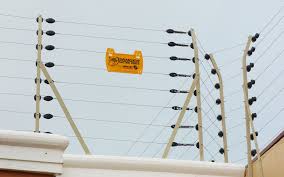
Electric Fence Systems for Kenyan Properties
Electric fence systems have become essential perimeter security infrastructure across Kenyan properties, from residential homes in Nairobi’s suburbs to commercial warehouses in Mombasa’s industrial areas. These active deterrent systems deliver high-voltage, low-amperage electrical pulses through conductor wires mounted on perimeter walls or standalone posts, creating psychological and physical barriers that detect and discourage intrusion attempts while minimizing serious injury risk.
Understanding how electric fence technology works, selecting appropriate components for specific property requirements, and implementing proper installation practices determines whether these systems provide reliable security or become maintenance burdens plagued by false alarms and performance issues. This guide examines electric fence systems from technical specifications through Kenya-specific deployment considerations, helping property owners and security managers make informed decisions about perimeter protection investments.
How Electric Fence Systems Function
Electric fence systems operate on fundamentally different principles than passive barriers like razor wire or solid walls. These active security devices continuously monitor the electrical circuit formed by conductor wires, detecting disturbances that indicate intrusion attempts while simultaneously delivering deterrent shocks to anyone contacting energized wires.
Electrical Pulse Generation
The energizer, often called a fence charger or power unit, forms the heart of electric fence systems. This device converts input power from mains electricity, batteries, or solar panels into high-voltage pulses typically ranging from 5,000 to 10,000 volts. Despite these seemingly dangerous voltage levels, electric fence systems maintain very low amperage—usually under 120 milliamps—and deliver pulses lasting only microseconds.
This combination of high voltage with extremely low current and brief duration creates an intensely uncomfortable shock that deters intruders without causing cardiac arrest or permanent injury in healthy individuals. The electrical pulse repeats approximately once per second, maintaining continuous deterrence while allowing the system to monitor circuit integrity between pulses.
Energy output measured in joules determines an energizer’s effectiveness across different fence lengths and environmental conditions. Residential properties typically require 0.5 to 2.0 joule energizers, while commercial installations demand 3.0 to 5.0 joules, and high-security industrial facilities may utilize 8.0 to 10.0 joule units. Higher joule ratings maintain adequate voltage along longer fence runs and overcome resistance from vegetation contact or poor grounding conditions common in Kenya’s varied soil types.
Circuit Monitoring and Alarm Integration
Modern electric fence systems continuously analyze the electrical circuit formed by conductor wires and ground rods. When someone attempts to climb over, cut through, or short-circuit the fence, they disrupt this circuit in measurable ways—either by bridging energized wires to ground or by breaking wire continuity entirely.
The energizer’s monitoring circuitry detects these disturbances within 2 to 3 seconds, triggering integrated alarm outputs that can activate sirens, strobe lights, or notifications to security response teams. Advanced systems differentiate between genuine intrusion attempts and environmental interference from vegetation or animals, reducing false alarm incidents that undermine security effectiveness.
Integration with broader security infrastructure multiplies electric fence value beyond standalone operation. Connection to CCTV systems triggers automatic camera focus on breached zones, while alarm panel integration enables centralized monitoring across multiple security layers. Remote monitoring capabilities through GSM modules or internet connectivity allow property owners to receive instant notifications when electric fence systems detect intrusion attempts, regardless of their physical location.
Essential Electric Fence Components
Reliable electric fence performance depends on proper component selection and integration. Understanding each element’s function helps property owners specify appropriate systems for their security requirements and environmental conditions.
Energizers and Power Supplies
Energizer selection begins with matching output capacity to fence length and wire configuration. Manufacturers typically rate energizers by maximum fence length in kilometers, but this specification assumes ideal conditions—minimal vegetation interference, excellent grounding, and single-wire configurations. Real-world deployments in Kenya require derating these specifications by 30 to 50 percent to account for environmental factors.
A 5-kilometer rated energizer realistically supports 2.5 to 3.5 kilometers of actual fence with multiple wires and typical vegetation challenges. Undersized energizers fail to maintain adequate voltage along entire fence runs, creating dead zones where voltage drops below the 3,000-volt minimum needed for effective deterrence. Proper energizer sizing includes expansion margin for future fence extensions or additional wire strands.
Power supply options significantly impact system reliability in Kenya’s electrical infrastructure environment. Mains-powered energizers provide unlimited operating duration but require backup battery systems to maintain protection during the frequent power outages affecting Nairobi, Mombasa, and other urban centers. Battery backup capacity should provide 12 to 24 hours of continuous operation, accounting for fence length, energizer power consumption, and typical outage durations in specific areas.
Solar-powered energizers eliminate dependence on grid electricity, making them ideal for rural properties, agricultural installations, and locations experiencing unreliable power supply. These systems combine solar panels rated 10 to 40 watts with deep-cycle batteries storing sufficient energy for 3 to 5 days of operation during overcast periods. Solar installations require careful panel positioning to maximize sun exposure throughout the year while protecting equipment from theft.
Conductor Wire Specifications
Wire selection balances electrical conductivity, mechanical strength, and corrosion resistance against cost considerations. Galvanized high-tensile steel wire offers the most common solution, providing excellent conductivity and tensile strength at reasonable cost. Standard specifications use 2.0mm to 2.5mm diameter wire with breaking strength exceeding 600 kilograms, resisting cutting attempts while maintaining adequate conductivity across long runs.
Coastal installations near Mombasa, Malindi, and other high-humidity areas benefit from aluminum conductor wire that resists corrosion better than galvanized steel. Aluminum’s lower conductivity requires larger 2.5mm to 3.0mm diameters to match steel wire performance, with corresponding increases in material costs. The extended service life and reduced maintenance requirements in corrosive environments justify this investment for properties within 50 kilometers of coastal regions.
Wire configuration determines detection sensitivity and climbing difficulty. Typical installations position 6 to 8 horizontal wire strands with 100mm to 150mm vertical spacing, creating barriers 1.8 to 2.4 meters tall when mounted atop perimeter walls. Alternating wire polarity—connecting adjacent wires to positive and negative terminals—prevents intruders from safely gripping non-energized wires while climbing. This configuration also enables voltage monitoring between wires for enhanced intrusion detection.
Insulators and Mounting Hardware
Insulators prevent electrical leakage from energized wires to grounding structures like walls, posts, or brackets. High-quality insulators manufactured from UV-stabilized polyethylene or porcelain maintain their dielectric properties despite exposure to Kenya’s intense equatorial sunlight and temperature variations. Inferior insulators crack or degrade within 1 to 2 years, causing voltage losses and false alarms from intermittent grounding.
Mounting bracket design affects both installation efficiency and long-term reliability. Standoff brackets elevate wires 150mm to 300mm from perimeter walls, preventing vegetation growth on walls from contacting wires while creating climbing obstacles. Adjustable brackets accommodate variations in wall height and levelness common in Kenyan construction, reducing installation time and material waste.
Ground rod systems complete the electrical circuit, providing return paths for pulse current and establishing voltage reference points for monitoring systems. Proper grounding requires 1.5-meter galvanized steel rods driven into soil at locations with adequate moisture content. Kenya’s dry seasons and varied soil types—from volcanic soils near Nairobi to sandy coastal substrates—affect ground resistance significantly. Most installations require 3 to 6 ground rods connected in parallel to achieve the 500-ohm maximum resistance specifications for reliable operation.
Electric Fence Installation Requirements for Kenyan Properties
Successful electric fence deployment requires understanding site-specific conditions and regulatory requirements that affect system design, installation procedures, and long-term performance.
Site Assessment and Planning
Installation begins with comprehensive site surveys documenting perimeter dimensions, existing barriers, power availability, and environmental factors. Accurate measurement of fence run lengths enables proper energizer sizing and wire quantity calculations. Identification of gates, building penetrations, and other discontinuities determines where fence sections terminate and how continuity maintains across these breaks.
Vegetation management planning identifies trees, bushes, and climbing plants that could contact fence wires, causing false alarms or creating climbing aids for intruders. Properties in Nairobi’s leafy suburbs like Karen, Runda, and Rosslyn face different vegetation challenges than industrial properties in Ruaraka or Mombasa’s Changamwe area. Establishing vegetation clearance zones extending 500mm from fence wires reduces maintenance requirements and improves detection reliability.
Soil conductivity assessment through ground resistance testing determines grounding system requirements. Volcanic soils common in Nairobi and Central Kenya typically provide excellent grounding with minimal rod quantities, while sandy soils in Mombasa and coastal regions require more extensive ground rod arrays. Testing during both wet and dry seasons ensures grounding adequacy year-round despite seasonal moisture variations affecting soil conductivity.
Power Infrastructure Integration
Mains-powered installations require dedicated electrical circuits protected by appropriate circuit breakers and surge protection devices. Energizer power consumption rarely exceeds 10 watts during normal operation, but startup surge currents and alarm activation increase instantaneous demand. Running energizer circuits through uninterruptible power supply (UPS) systems provides seamless operation during power failures while battery charging occurs during periods with grid availability.
Battery backup systems use deep-cycle lead-acid or lithium batteries sized for expected runtime requirements. A typical 2-joule energizer consuming 5 watts requires approximately 60 watt-hours for 12 hours of operation. Accounting for battery discharge limits and efficiency losses, this translates to 100Ah capacity at 12 volts or 50Ah at 24 volts. Larger installations with higher-power energizers and extended backup requirements may need 200Ah or greater battery banks.
Solar installations position panels with southern exposure in Kenya’s southern hemisphere location, angling them approximately 1 to 5 degrees from horizontal to optimize year-round sun capture near the equator. Panel wattage should exceed average daily energy consumption by 50 to 100 percent to ensure adequate battery charging during overcast conditions. A 20-watt solar panel typically supports 1 to 2 joule energizers with 12-volt, 40Ah to 80Ah battery systems providing several days of autonomy.
Regulatory Compliance and Approvals
Electric fence installations in Kenya must comply with building codes, electrical safety standards, and local authority requirements. The Kenya Building Code addresses perimeter security installations, though specific electric fence regulations vary by county jurisdiction. Property owners should verify requirements with county government offices before commencing installations to avoid compliance issues or removal orders.
Warning signage requirements mandate visible notices at regular intervals along fence lines, alerting people to electric fence presence in English and Swahili. Signs typically display the international electric fence hazard symbol with text warning “ELECTRIC FENCE” or “UMEME HATARI.” Signage placement every 10 to 15 meters ensures visibility from multiple approach angles while meeting liability protection requirements.
Height restrictions in some residential areas limit electric fence installations to specific elevations above ground level. Certain counties prohibit energized wires below 1.8 meters to reduce accidental contact risk by children or animals. Confirming local height requirements before installation prevents costly modifications to achieve compliance after system completion.
Electric Fence System Configurations
Different property types and security requirements demand tailored electric fence configurations balancing protection effectiveness, installation costs, and operational complexity.
Residential Property Systems
Single-family homes in Nairobi’s suburbs, Mombasa’s residential neighborhoods, and other urban areas typically deploy 6 to 8 strand configurations atop existing perimeter walls. These installations use 0.5 to 2.0 joule energizers covering 100 to 400 meters of fence perimeter with single-zone monitoring that triggers property-wide alarms during intrusion attempts.
Basic residential systems integrate with existing alarm panels through dry-contact relay outputs, activating sirens and notifying security companies when fence breaches occur. Homeowners in estates with 24-hour security response benefit from this integration, while standalone properties rely on loud sirens and strobe lights to deter intruders through attention-drawing alarms.
Advanced residential installations incorporate multi-zone monitoring that divides fence perimeters into 2 to 4 separate sections, enabling more precise intrusion location identification. This capability proves valuable for larger properties where pinpointing breach locations reduces security response time. GSM dialer integration sends SMS notifications directly to homeowner mobile phones when alarms trigger, providing alerts even when properties remain unoccupied during working hours or travel.
Commercial and Industrial Installations
Warehouses, factories, and business premises require more robust electric fence configurations addressing higher intrusion risks and larger perimeter dimensions. These installations typically employ 3.0 to 5.0 joule energizers supporting 500 to 2,000 meters of fence with 8 to 10 wire strands creating climbing barriers exceeding 2 meters in height.
Multi-zone monitoring becomes essential for commercial properties, dividing perimeters into 4 to 8 zones that correlate with camera coverage areas and security patrol routes. Integration with video management systems automatically directs cameras toward breached zones, providing visual verification that distinguishes genuine intrusions from false alarms caused by animals or debris.
High-security facilities including data centers, pharmaceutical warehouses, and valuable equipment storage require maximum deterrence through 8.0 to 10.0 joule energizers maintaining lethal-appearing (though still non-lethal) shock levels. These installations often incorporate additional security layers including buried vibration sensors detecting tunneling attempts and passive infrared detectors covering gaps between fence posts.
Agricultural and Rural Applications
Farms and rural properties in Kenya face unique security challenges including livestock theft, crop damage from wildlife, and vandalism in remote locations lacking rapid security response. Electric fence systems adapted for agricultural use balance perimeter security with animal control, deterring both human intruders and wildlife incursions.
Solar-powered energizers eliminate dependency on unreliable rural electrical grids while reducing operating costs for properties located far from mains power infrastructure. Panel and battery sizing accounts for limited sun exposure during rainy seasons and potential theft risks requiring secure mounting locations or theft-resistant hardware.
Wildlife-adapted configurations use slightly different specifications than pure security applications. Fence heights of 1.5 to 2.0 meters deter climbing animals while maintaining human deterrence. Lower wire strands positioned 200mm from ground level prevent animals from crawling under fences, though these wires require frequent vegetation clearing to maintain effective operation.
Integration with Comprehensive Security Systems
Electric fence effectiveness multiplies when integrated with complementary security technologies creating layered defense strategies that detect, delay, and document intrusion attempts.
CCTV Camera Coordination
Video surveillance systems provide visual verification of electric fence alarms, enabling security personnel to distinguish genuine intrusions from false alarms without physical site visits. Integration connects fence zone triggers to camera preset positions, automatically panning cameras toward breached perimeter sections when alarms activate.
Analytics-capable cameras enhance this integration through intelligent features like perimeter crossing detection and loitering alerts that complement electric fence monitoring. When cameras detect human figures approaching perimeter walls before fence contact occurs, security teams can intercept intruders before breaches happen. This proactive approach prevents fence damage and reduces confrontations during intrusion attempts.
Recording systems capture video evidence during alarm events, documenting intruder appearance, entry methods, and behavior patterns. This footage supports police investigations when thefts or property damage occur, increasing prosecution likelihood and potentially recovering stolen property. Insurance claims benefit from video documentation proving security system presence and intrusion circumstances.
Alarm System Integration
Modern alarm panels accept electric fence zone inputs alongside traditional magnetic contacts, motion detectors, and glass-break sensors. This unified monitoring enables comprehensive security management through single control interfaces rather than operating separate systems independently. Property owners arm or disarm all security layers simultaneously, reducing user error and simplifying daily operation.
Alarm panel integration provides sophisticated response options unavailable from standalone electric fence systems. Different zones can trigger distinct responses—perimeter breaches might activate external sirens and security company notifications, while interior motion detection adds police dispatch. Scheduling features automatically adjust response patterns based on time of day, reducing false alarm responses during property-occupied hours.
Central monitoring station integration enables professional security companies to receive electric fence alarms alongside traditional sensor signals. Trained operators assess alarm conditions, verify incidents through camera feeds, and coordinate appropriate responses ranging from security guard dispatch to police notification. This professional monitoring particularly benefits businesses and high-value residential properties where security response timing critically affects intrusion outcomes.
Remote Monitoring Capabilities
GSM and internet-connected electric fence systems provide real-time status monitoring and alarm notifications regardless of user locations. Property owners traveling outside Kenya maintain security awareness through mobile applications displaying fence operational status, battery voltage levels, and alarm history. Instant push notifications alert users within seconds of intrusion detection, enabling prompt response coordination with security personnel or neighbors.
Remote monitoring identifies maintenance needs before they cause system failures. Battery voltage monitoring alerts property owners when backup batteries deteriorate and require replacement, preventing unexpected system failures during power outages. Fence voltage monitoring detects gradual degradation from vegetation encroachment or component deterioration, triggering maintenance before protection gaps develop.
Advanced systems incorporate remote control capabilities enabling users to temporarily disable fence zones during gardener visits or deliveries without requiring physical interaction with control panels. This feature prevents false alarms while maintaining security on unaffected perimeter sections. Activity logs document all remote access events, creating audit trails for security review and compliance documentation.
Maintenance Requirements and Testing Procedures
Regular maintenance preserves electric fence reliability and prevents gradual performance degradation that creates security vulnerabilities.
Weekly Visual Inspections
Property owners or security staff should conduct brief visual inspections identifying obvious problems:
- Broken or sagging wires requiring tension adjustment or replacement
- Vegetation growth contacting wires and causing false alarms or voltage losses
- Damaged insulators cracked from UV exposure or physical impact
- Loose mounting brackets creating wire movement during wind conditions
- Energizer indicator lights confirming operational status and battery charge levels
These inspections require only 10 to 15 minutes for typical residential properties, quickly identifying issues before they compromise security effectiveness. Documenting inspection findings creates maintenance records supporting insurance requirements and regulatory compliance.
Monthly Functional Testing
Comprehensive monthly testing verifies complete system operation:
Voltage testing at multiple fence locations using electric fence voltmeters confirms adequate voltage levels throughout fence runs. Residential systems should maintain minimum 5,000 volts, while commercial installations require 6,000 to 8,000 volts for effective deterrence. Voltage drops exceeding 20 percent between energizer output and distant fence locations indicate grounding problems, vegetation contact, or deteriorated connections requiring investigation.
Alarm activation testing deliberately triggers fence zones through grounding wires to verify proper alarm system integration. This confirms alarm sirens function correctly, notifications transmit to monitoring stations, and camera integration directs surveillance toward breached zones. Testing each zone individually ensures all fence sections maintain proper monitoring connectivity.
Battery backup testing involves disconnecting mains power and confirming systems operate normally on battery reserves. Monitoring battery voltage during discharge indicates remaining capacity and identifies deteriorated batteries requiring replacement. Backup systems providing less than 8 hours of operation need immediate attention to maintain protection during extended power outages.
Quarterly Maintenance Procedures
Every three months, more intensive maintenance addresses gradual deterioration:
- Wire tension adjustment restores proper tautness to wires that stretch over time or sag from weather exposure
- Insulator cleaning removes dust and debris that can create current leakage paths reducing fence effectiveness
- Connection tightening addresses corrosion and thermal cycling that loosen electrical connections
- Vegetation trimming clears brush and climbing plants within 500mm clearance zones around fence wires
- Ground system testing verifies ground rod resistance remains below 500 ohms despite seasonal soil moisture variations
Annual Professional Service
Yearly professional inspections by qualified electric fence technicians provide comprehensive system evaluation:
- Component replacement addressing worn insulators, corroded connectors, and deteriorated wiring
- Energizer testing measuring output voltage and pulse characteristics against manufacturer specifications
- Grounding system enhancement adding ground rods where resistance testing reveals inadequate earth connections
- Firmware updates installing manufacturer software improvements for energizers with programmable features
- Compliance documentation generating service reports satisfying insurance and regulatory requirements
Annual service contracts typically cost 10 to 15 percent of initial system installation expenses, providing predictable budgeting and ensuring maintenance occurs on consistent schedules rather than only after system failures.
Cost Analysis for Electric Fence Installations
Understanding complete ownership costs enables accurate budgeting and realistic return-on-investment calculations.
Initial Installation Expenses
Residential property installations covering 100 to 200 meters of perimeter fence typically cost:
- Basic 6-wire system: KES 55,000 to 85,000 including 1.0-joule energizer, galvanized wire, insulators, mounting hardware, and installation labor
- Standard 8-wire system: KES 75,000 to 110,000 with 2.0-joule energizer, alarm integration, battery backup, and GSM notification
- Advanced multi-zone system: KES 120,000 to 180,000 featuring 3.0-joule energizer, 4-zone monitoring, camera integration, remote monitoring
Commercial installations protecting 500 to 1,000 meters of warehouse or factory perimeters require:
- Standard commercial system: KES 280,000 to 420,000 with 5.0-joule energizer, 10-wire configuration, basic alarm integration
- High-security installation: KES 450,000 to 680,000 including 8.0-joule energizer, 8-zone monitoring, comprehensive CCTV integration, remote management platform
These figures reflect typical Kenyan market pricing in Nairobi, Mombasa, and other major cities. Costs vary based on site-specific challenges including difficult wall access, extensive vegetation clearance requirements, or remote locations increasing labor expenses.
Operating Cost Considerations
Monthly electric fence operating expenses remain modest:
- Electricity consumption: Mains-powered energizers draw 5 to 15 watts, costing KES 50 to 150 monthly at typical Kenyan electricity rates
- Battery maintenance: Deep-cycle battery replacement every 2 to 4 years averages KES 150 to 300 monthly when amortized
- Vegetation control: Properties with significant plant growth may spend KES 500 to 2,000 monthly on trimming services
- Monitoring fees: Professional security monitoring through central stations costs KES 1,500 to 4,000 monthly depending on response service levels
Maintenance and Replacement Budgeting
Long-term ownership requires funds for component replacement:
- Battery replacement: Deep-cycle batteries deteriorate after 500 to 1,000 charge cycles, requiring replacement every 2 to 4 years at KES 8,000 to 25,000 depending on capacity
- Wire replacement: Properly maintained galvanized wire lasts 8 to 12 years before corrosion necessitates replacement at approximately 40 percent of original installation cost
- Energizer replacement: Quality energizers provide 10 to 15 years of service before electronic component failure requires unit replacement at KES 15,000 to 45,000
- Insulator replacement: UV degradation requires insulator replacement every 5 to 8 years at KES 50 to 150 per insulator
Return on Investment Calculation
Electric fence value assessment considers prevented losses:
A single burglary in Nairobi’s residential areas typically results in:
- Direct losses: KES 100,000 to 500,000 in stolen electronics, jewelry, and personal property
- Property damage: KES 20,000 to 80,000 repairing broken doors, windows, and vandalized interiors
- Psychological impact: Stress, anxiety, and reduced sense of security affecting quality of life
- Insurance implications: Premium increases following claims, potential policy cancellation
For commercial properties, theft incidents cost substantially more:
- Inventory losses: KES 500,000 to several million depending on goods stored
- Business interruption: Lost revenue during security investigation and facility repairs
- Customer confidence: Reputation damage affecting future business relationships
When electric fence installations prevent even single intrusion incidents over their 10 to 15 year service lives, the security investment demonstrates clear financial justification beyond psychological peace of mind.
Regional Deployment Considerations Across Kenya
Kenya’s diverse geography and infrastructure variations require adapting electric fence systems to local conditions.
Nairobi and Central Kenya Installations
Properties in Nairobi, Kiambu, Thika, and surrounding Central Kenya regions benefit from relatively stable electrical infrastructure, though frequent power interruptions still necessitate robust battery backup systems. Volcanic soils provide excellent grounding conditions, often requiring only 2 to 3 ground rods for adequate earth resistance.
Urban security response networks in Nairobi enable rapid guard dispatch when electric fence alarms trigger, maximizing the deterrent value of alarm integration. Properties in estates with 24-hour security patrols achieve response times under 5 minutes, often intercepting intruders before they breach secondary building defenses.
Vegetation management challenges vary significantly across Nairobi’s neighborhoods. Leafy suburbs like Karen, Runda, Kitisuru, and Rosslyn experience rapid plant growth requiring monthly trimming, while drier areas including Eastlands and Athi River need less frequent vegetation control. Installation planning should account for these maintenance variations when estimating long-term costs.
Mombasa and Coastal Region Factors
Coastal installations face accelerated corrosion from salt-laden air, humidity, and direct ocean spray in properties near beaches. Aluminum conductor wire provides longer service life than galvanized steel despite higher initial costs. All electrical connections require dielectric grease application preventing moisture intrusion and corrosion.
Electronic components including energizers and alarm integration modules benefit from protective enclosures with desiccant packets absorbing atmospheric moisture. Coastal properties located within 5 kilometers of the ocean should inspect electrical connections quarterly rather than semi-annually, identifying corrosion before it causes system failures.
Sandy coastal soils present grounding challenges requiring more extensive ground rod arrays than inland volcanic soils. Installations may need 5 to 8 ground rods achieving adequate earth resistance, with testing during dry seasons ensuring year-round grounding adequacy. Some coastal properties benefit from chemical grounding compounds that reduce soil resistance in sandy substrates.
Kisumu and Western Kenya Deployments
Lake Victoria’s influence creates high humidity conditions similar to coastal regions, though without salt corrosion concerns. Lush vegetation growth in Western Kenya’s higher rainfall areas demands aggressive vegetation management schedules preventing wire contact that causes false alarms and voltage losses.
Electrical infrastructure reliability varies significantly between Kisumu’s urban center and rural areas throughout Nyanza region. Properties outside major towns benefit from solar-powered electric fence systems eliminating dependency on unreliable grid connections. Solar installations in this region require careful panel positioning accounting for afternoon cloud cover patterns reducing charging effectiveness.
Rural and Agricultural Property Adaptations
Remote properties in Rift Valley, Eastern Province, and rural areas across Kenya face unique deployment challenges. Solar power becomes essential where grid connections prove unreliable or absent entirely. Anti-theft mounting systems secure solar panels and batteries against equipment theft that occurs more frequently in isolated locations.
Wildlife considerations affect electric fence design in agricultural regions. Lower wire strands deterring animals from crawling under fences require more frequent maintenance than human-security-only configurations. Some farmers integrate livestock containment with perimeter security, using internal electric fences controlling cattle or sheep movement alongside external security fences protecting against theft.
Lightning protection deserves special attention in rural installations lacking building structural protection. Lightning arrestors installed between fence wires and energizers prevent strike damage destroying expensive equipment. Grounding systems for lightning protection require separation from fence grounding to prevent lightning currents from damaging energizer electronics.
Limitations and Realistic Performance Expectations
Understanding electric fence constraints prevents disappointment and enables appropriate supplementary security measures.
Environmental Factors Affecting Reliability
Heavy vegetation growth can overwhelm maintenance capabilities during Kenya’s rainy seasons. Properties with extensive tree coverage or aggressive climbing plants like bougainvillea face constant battles maintaining wire clearance. Neglecting vegetation control for even 2 to 3 weeks during peak growth periods can result in multiple false alarms daily as plants contact energized wires.
Dust accumulation in Kenya’s dry seasons creates current leakage paths across insulators, gradually reducing fence voltage. Properties in semi-arid regions including parts of Rift Valley and Eastern Province should schedule insulator cleaning during dry season peaks to maintain effectiveness. Heavy dust storms may trigger false alarms as airborne particles temporarily create conductive paths between wires and ground.
False Alarm Management
Despite advances in detection algorithms, electric fence systems still generate false alarms from environmental factors:
- Wind-blown debris contacting wires during storms
- Bird perching on insulators creating momentary ground paths
- Small animal contact from cats, mongooses, or monkeys climbing perimeter walls
- Lightning-induced currents during electrical storms creating false trigger signals
Properties experiencing more than 2 to 3 false alarms monthly should investigate root causes rather than accepting nuisance alarms as inevitable. Common solutions include vegetation clearance, insulator replacement, or energizer sensitivity adjustments reducing environmental triggers while maintaining intrusion detection.
Physical Limitations
Electric fence systems deter rather than prevent intrusions. Determined intruders can defeat these systems through various methods:
- Wire cutting using insulated tools while standing on non-conductive surfaces
- Insulator damage breaking mounting points to create wire-to-ground contact triggering alarms before crossing fence
- Blanket throwing covering wire sections creating temporary bridges
- Underground tunneling beneath wall foundations bypassing overhead barriers entirely
These defeat methods require premeditation and some technical knowledge, making electric fences effective against opportunistic criminals while providing limited protection against sophisticated, determined intruders. Properties requiring maximum security should layer electric fences with complementary technologies including buried vibration sensors, microwave barriers, and comprehensive video surveillance.
Maintenance Dependency
Electric fence effectiveness deteriorates without regular maintenance. Systems neglected for 6 to 12 months often develop multiple failure points:
- Battery backup systems fail from deep discharge during repeated power outages
- Wire corrosion creates high-resistance sections reducing voltage in distant fence areas
- Vegetation overgrowth creates continuous ground contact negating deterrent effect
- Deteriorated insulators allow current leakage reducing available voltage
Properties without dedicated security staff or contracted maintenance services risk gradual system degradation creating security vulnerabilities. Establishing maintenance schedules and documenting completion prevents this drift toward ineffectiveness.
Conclusion
Electric fence systems provide cost-effective perimeter security for Kenyan properties when properly specified, professionally installed, and regularly maintained. These active deterrent systems deliver psychological and physical barriers that detect and discourage intrusion attempts while integrating with broader security infrastructure including alarms, cameras, and monitoring services.
Successful implementation requires matching system components to property-specific requirements—energizer capacity to fence dimensions, wire specifications to environmental conditions, and power supply options to local infrastructure reliability. Kenya’s diverse regions from Nairobi’s urban environment to Mombasa’s coastal conditions and rural agricultural areas each present unique deployment considerations affecting equipment selection and maintenance requirements.
Understanding electric fence limitations prevents unrealistic expectations while enabling appropriate complementary security measures. These systems deter opportunistic criminals effectively but require layering with additional technologies for comprehensive protection against determined intruders. Regular maintenance preserves reliability and prevents gradual performance degradation that creates security vulnerabilities.
Property owners investing in electric fence systems should prioritize quality components, professional installation, and ongoing maintenance over lowest initial costs. Systems installed correctly and maintained properly provide 10 to 15 years of reliable service, preventing intrusions that cost many times the security investment. The combination of effective deterrence, alarm integration, and reasonable operating costs makes electric fence technology valuable security infrastructure across Kenya’s residential, commercial, and agricultural properties.
For professional electric fence consultation, system design, and installation services across Kenya, contact Oraco Security Solutions. Our experienced technicians assess property-specific requirements, recommend appropriate system configurations, and provide comprehensive installation and maintenance services ensuring reliable perimeter protection for your residential or commercial property.

 No products in the cart.